Size for flow
Filters, valves, silencers, fittings, and hose must pass the required flow without creating excessive pressure loss.
Category 5 of 5
Filters, valves, switches, gauges, silencers, fittings and hose.
Selection framework
Begin with the workpiece and cycle, then verify performance, interfaces, environment, and maintenance needs against the family data.
Filters, valves, silencers, fittings, and hose must pass the required flow without creating excessive pressure loss.
Check vacuum and positive-pressure ratings, especially in circuits that use blow-off or pressure-side control.
Place filtration where contamination enters and make element condition visible and serviceable.
Choose switch range, output type, response time, connector, and control logic together rather than as separate decisions.
5.1
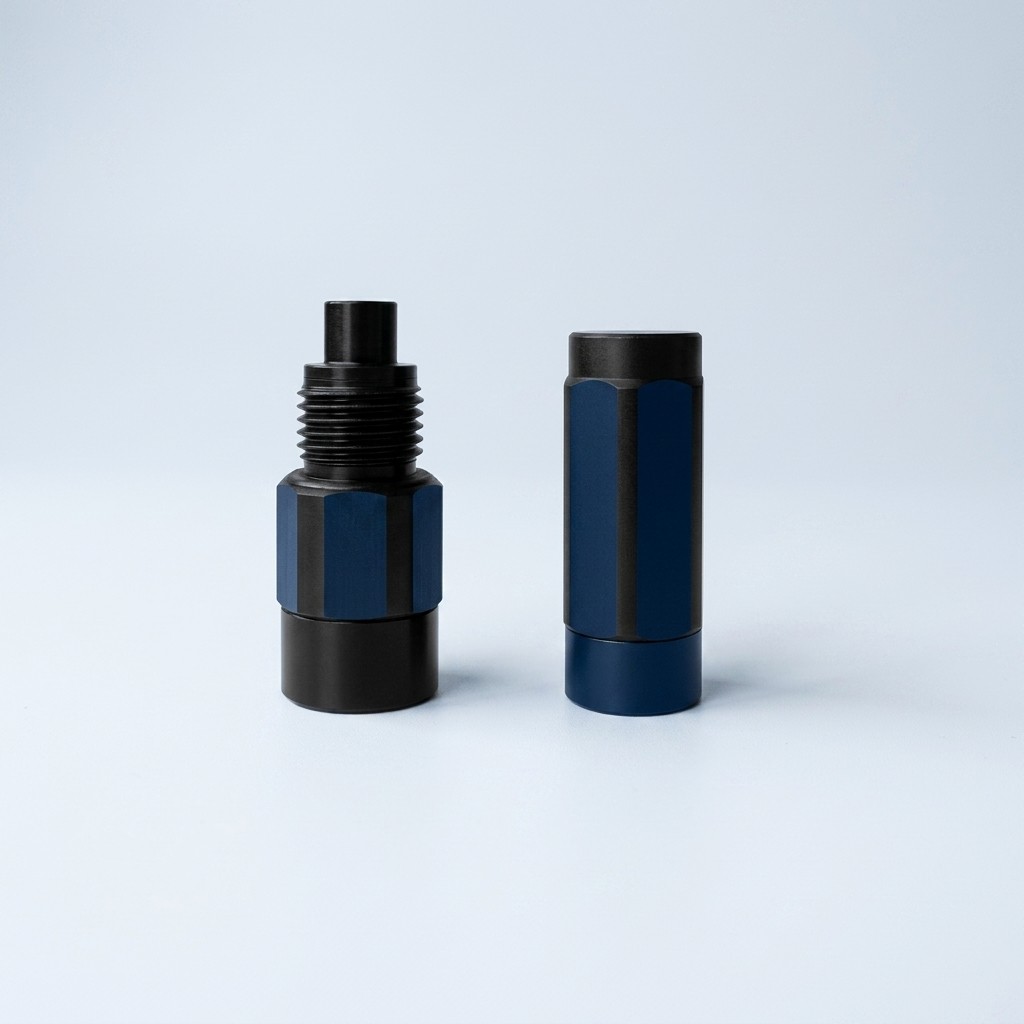
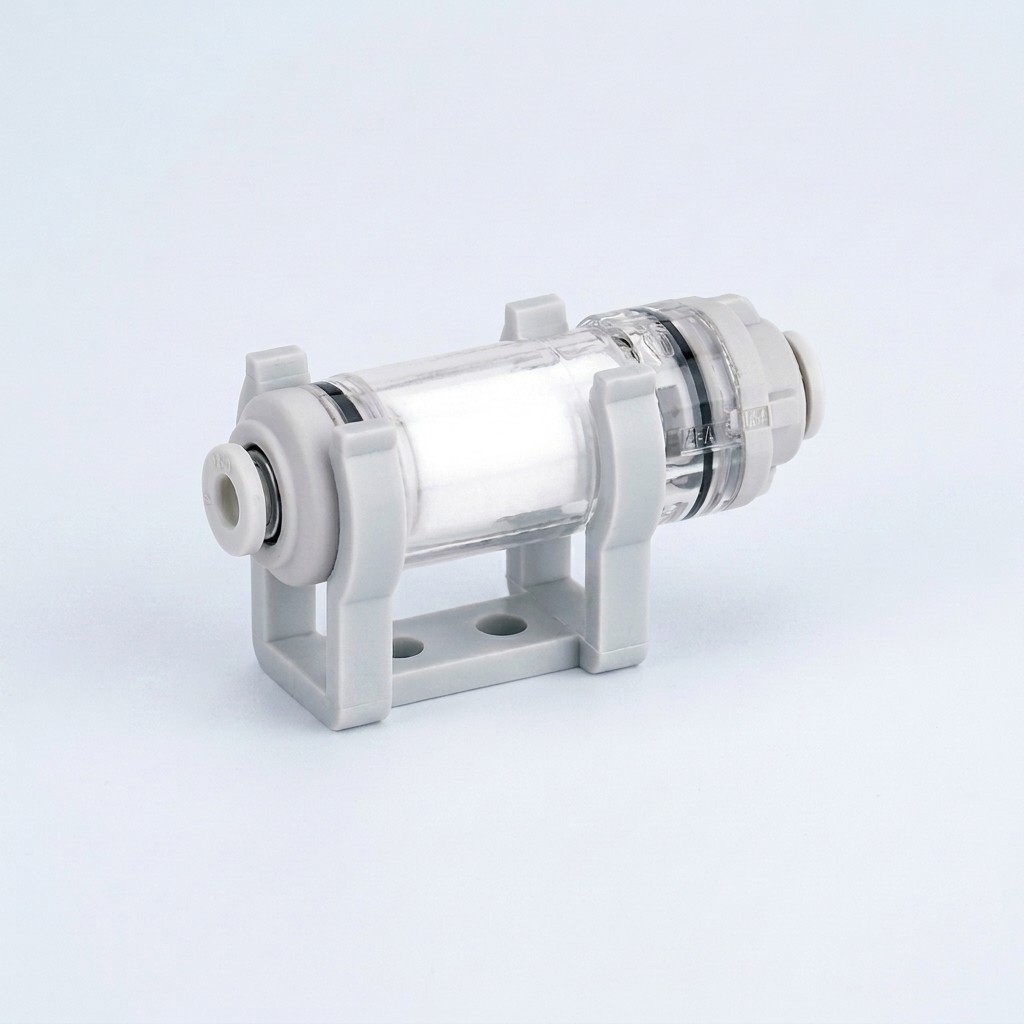
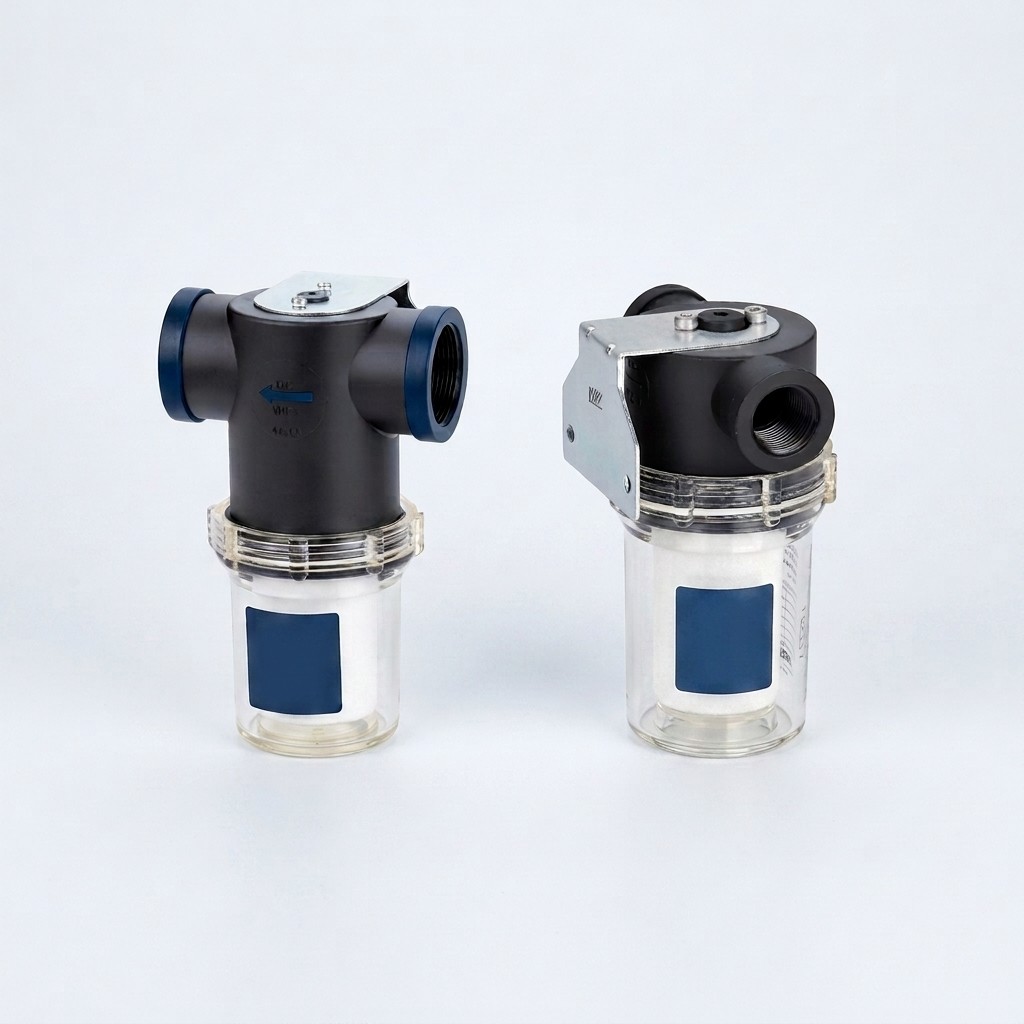
Particulate protection for the ejector nozzle, which is the component least tolerant of dust. Transparent housings allow a contamination check without a shutdown.
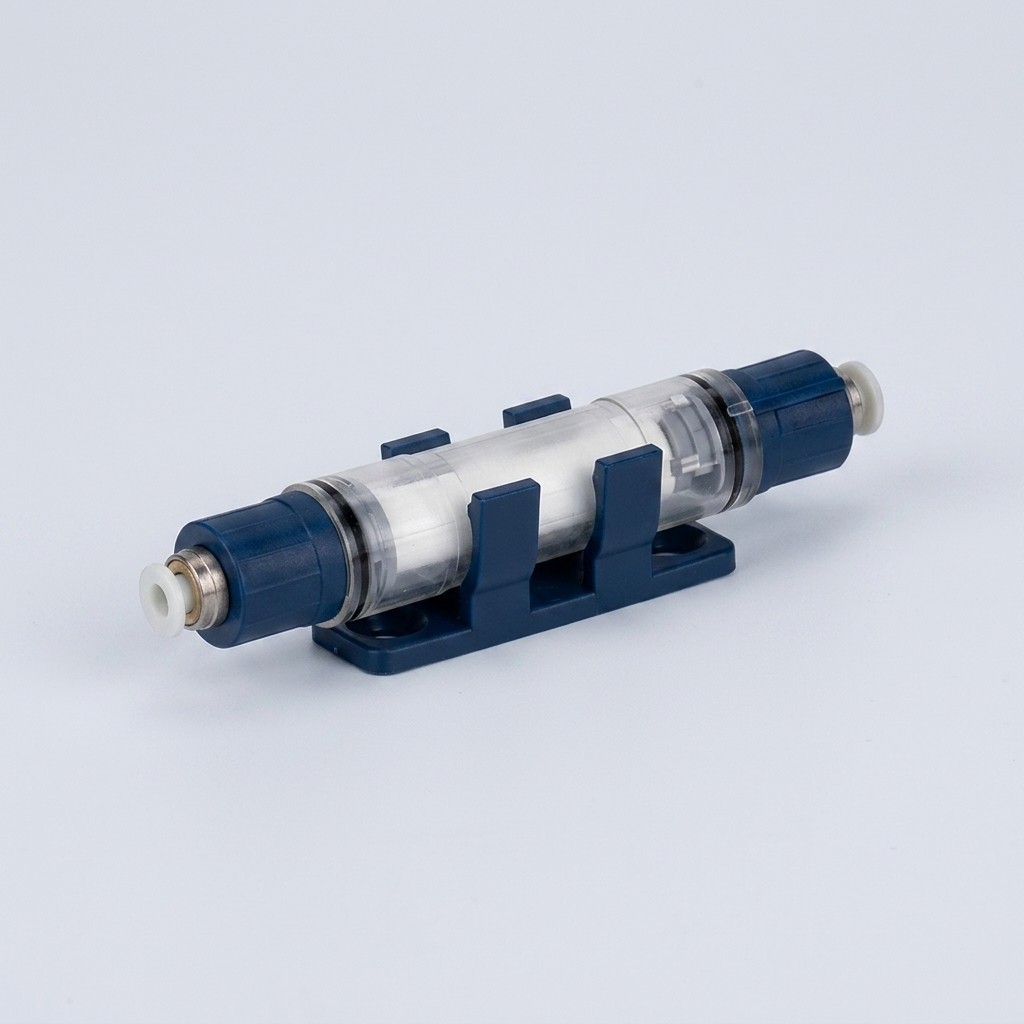
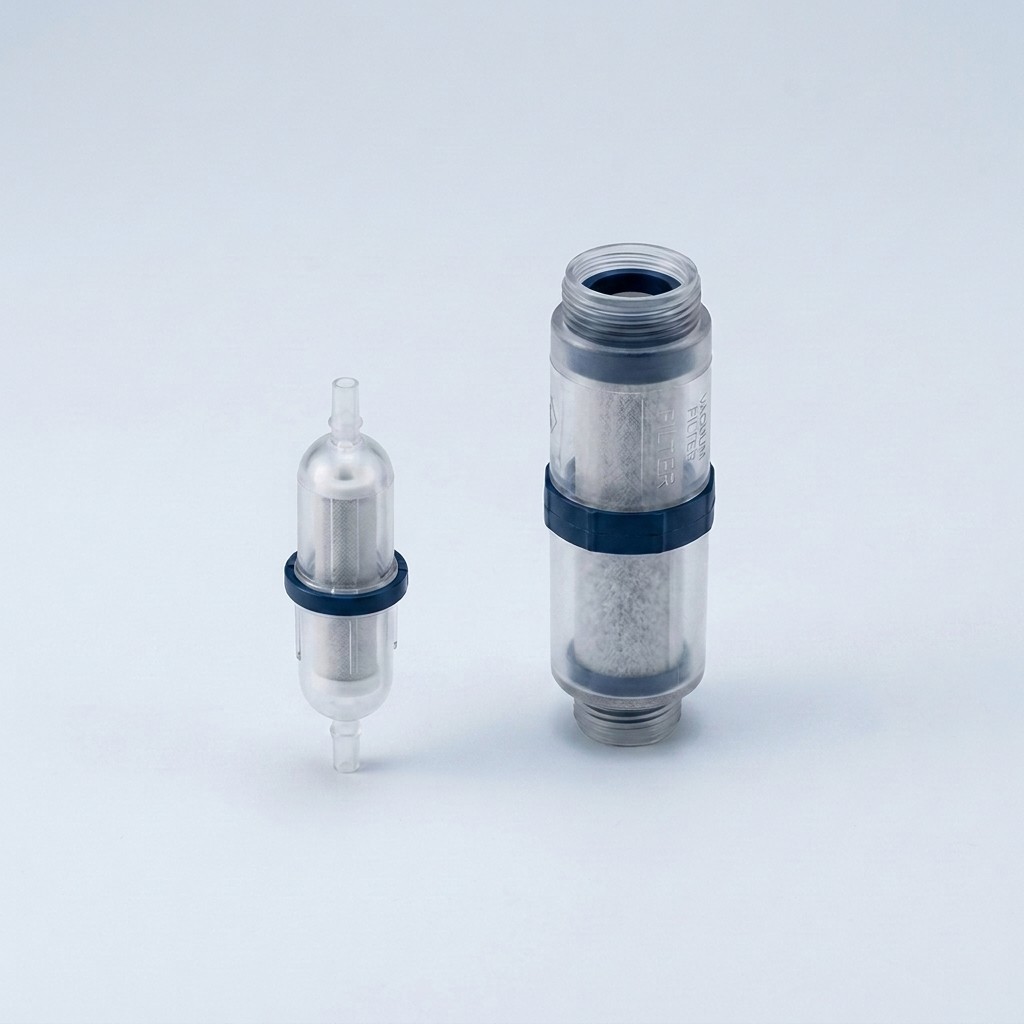
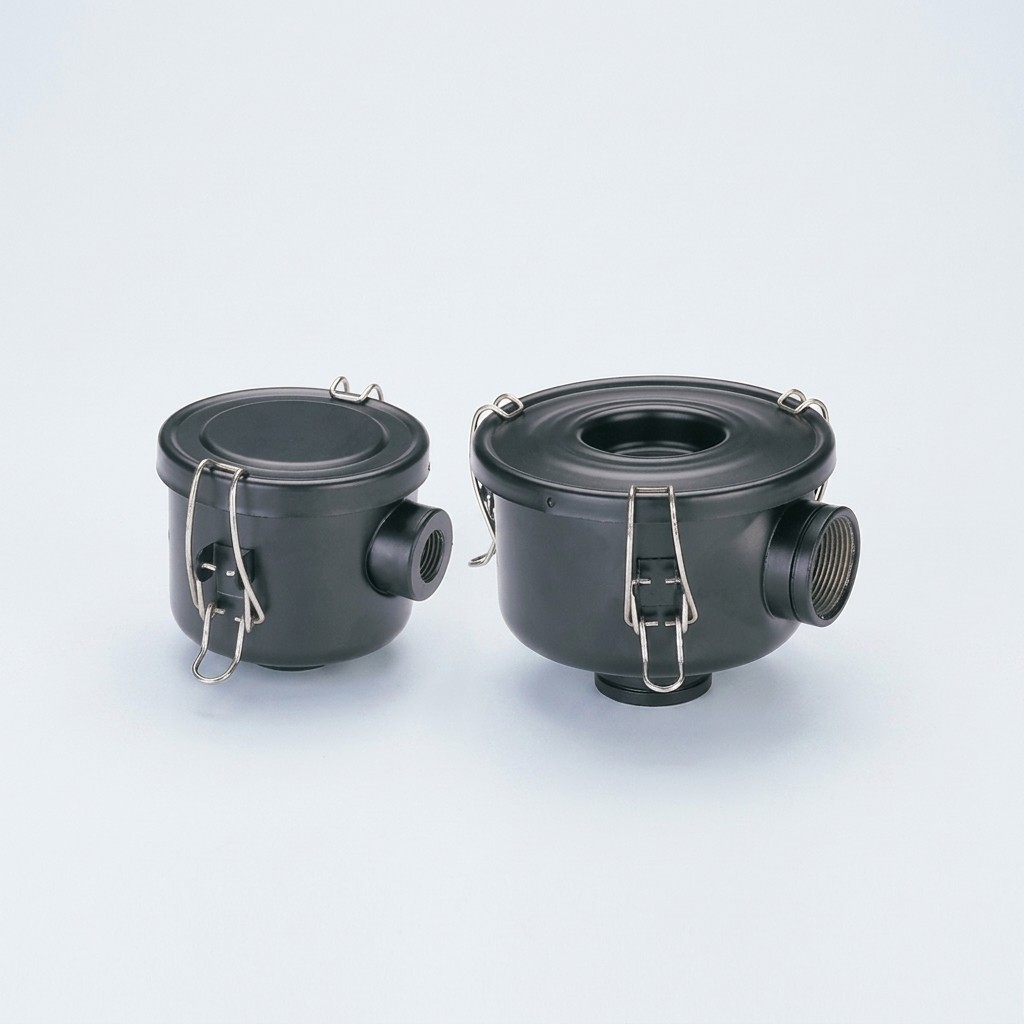
5.2
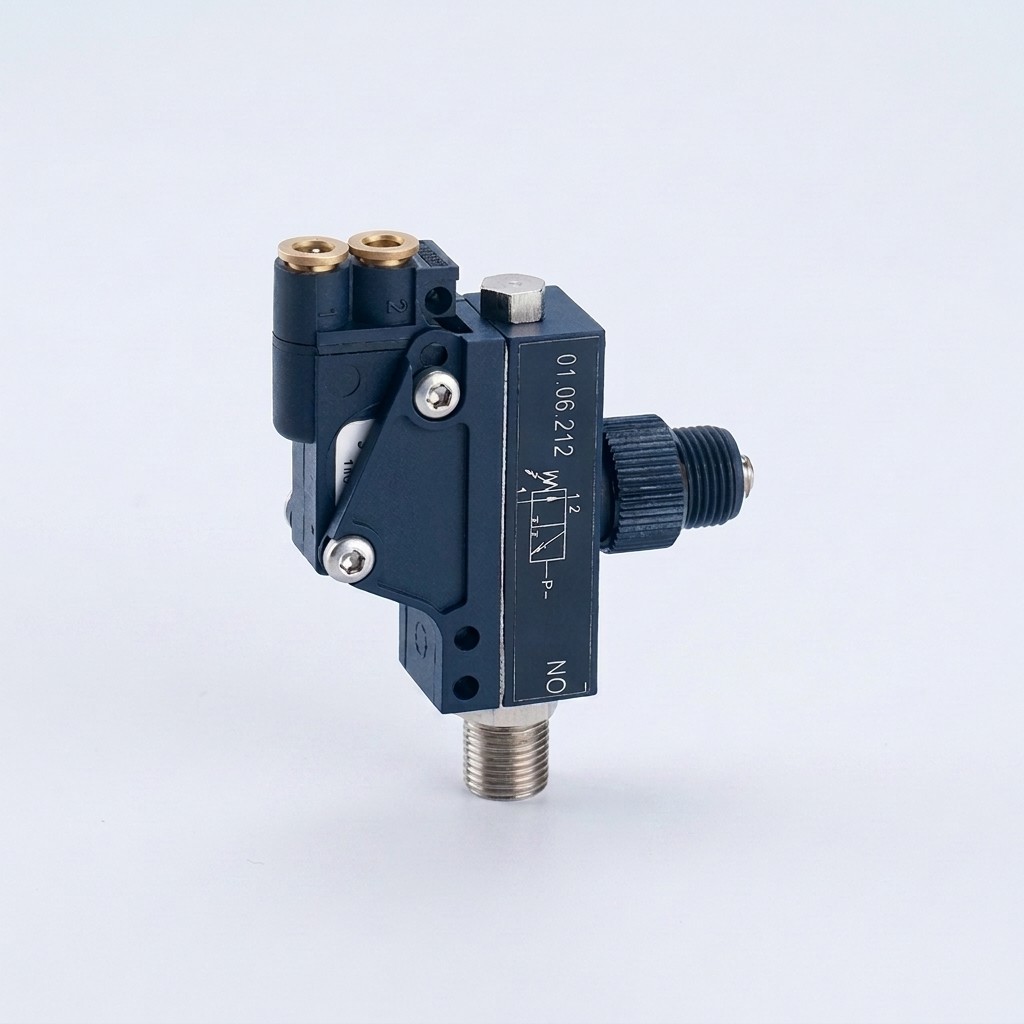
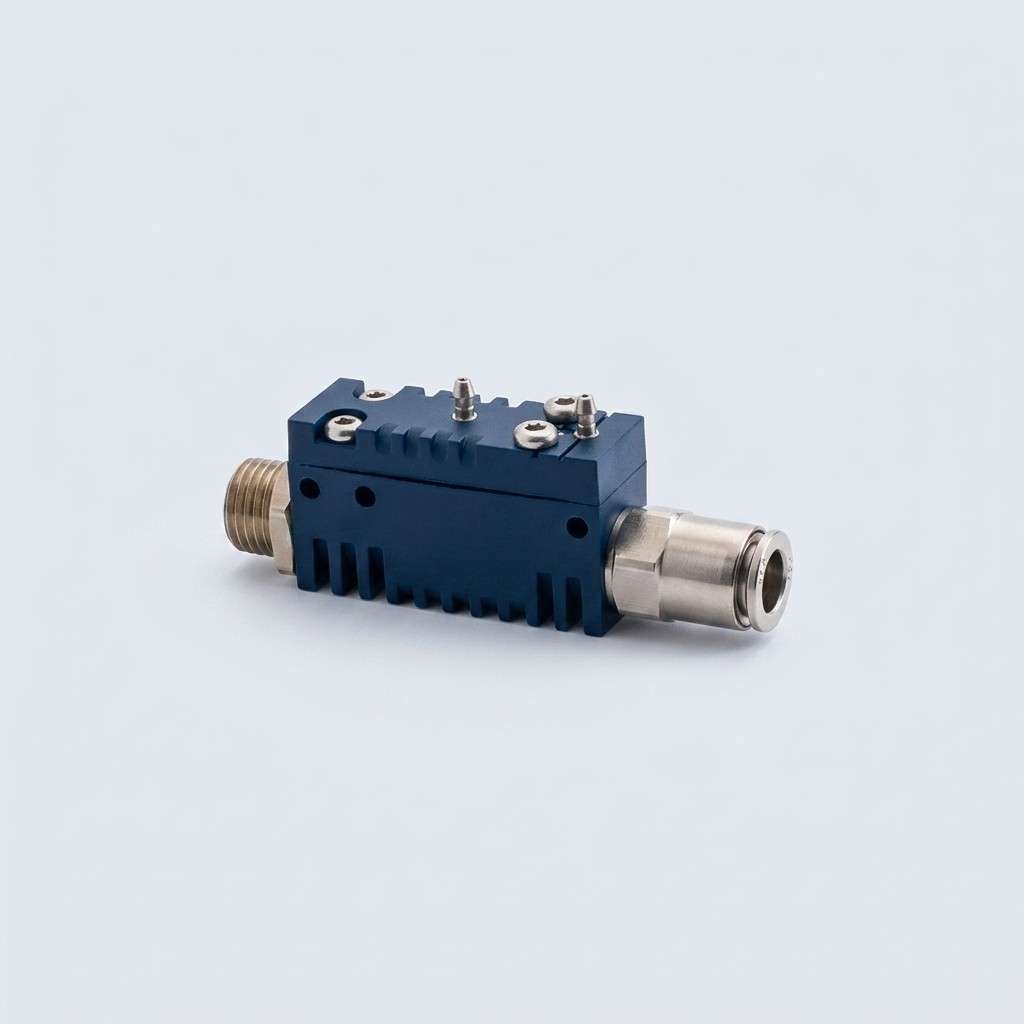
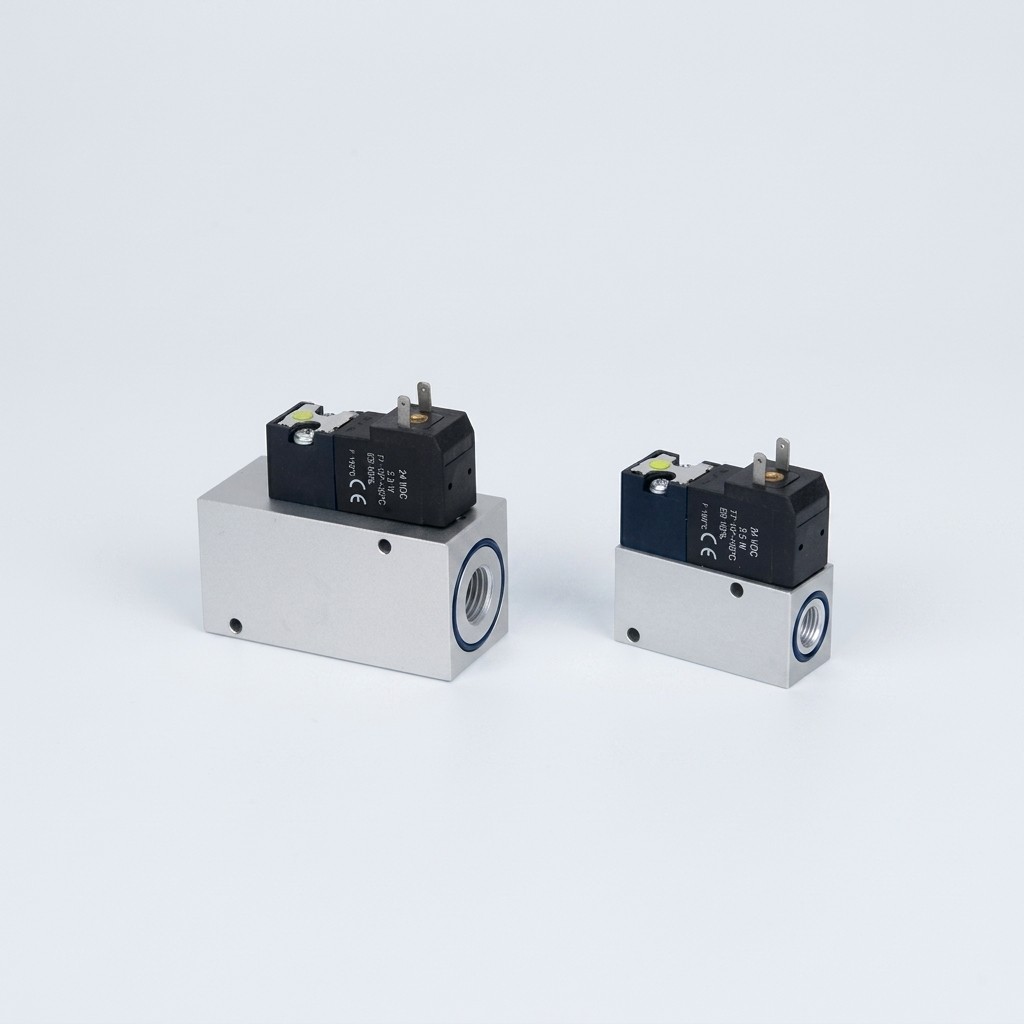
Pneumatically and electrically actuated valves for supply and exhaust control, normally open and normally closed.
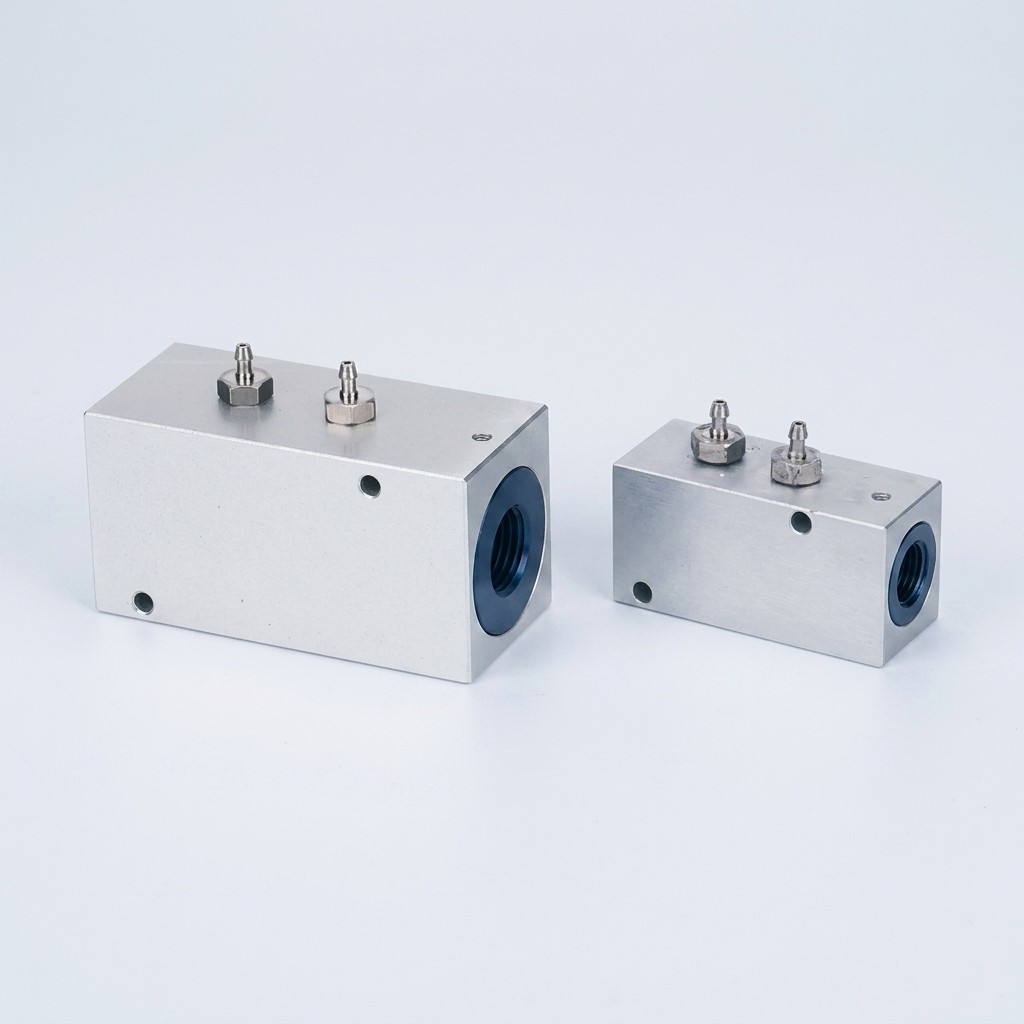
5.3
Hold vacuum in the gripping circuit when a neighbouring cup is uncovered, and prevent backflow on supply failure.
5.4
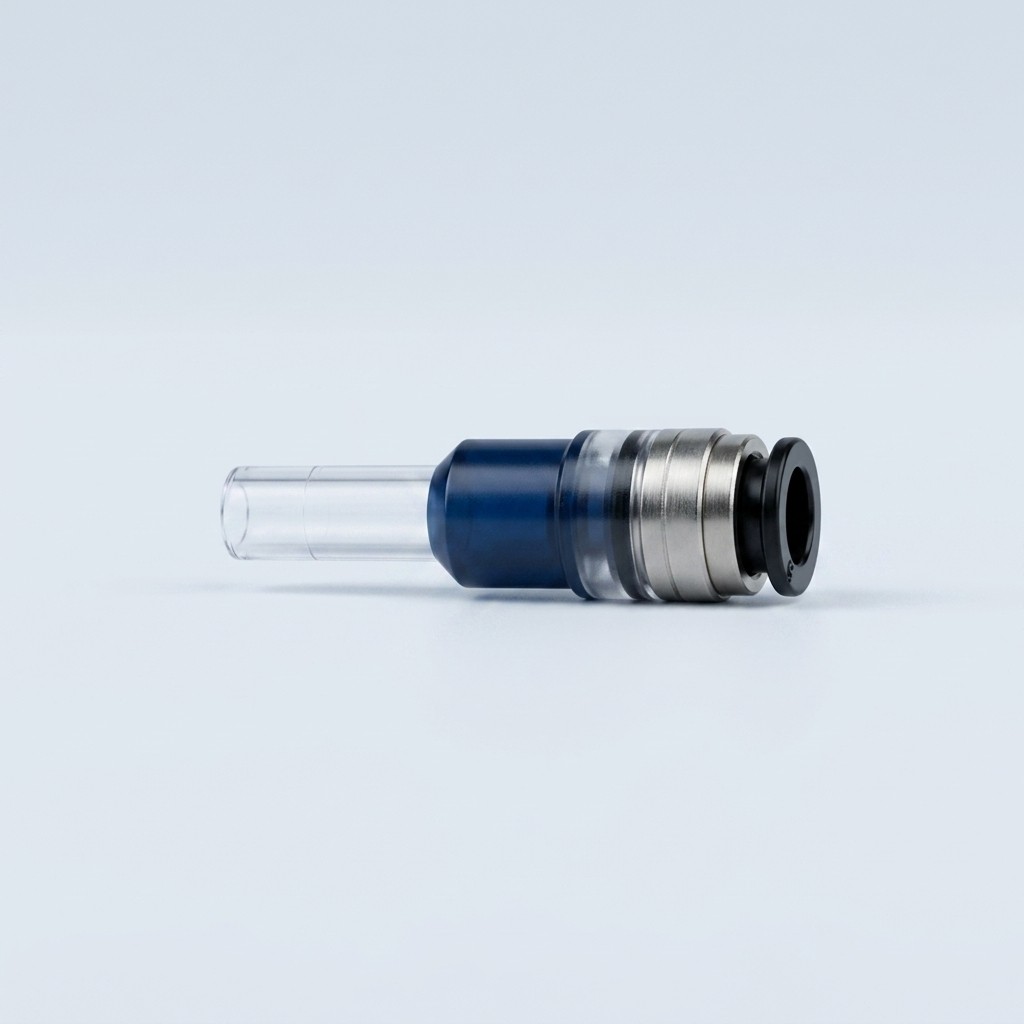
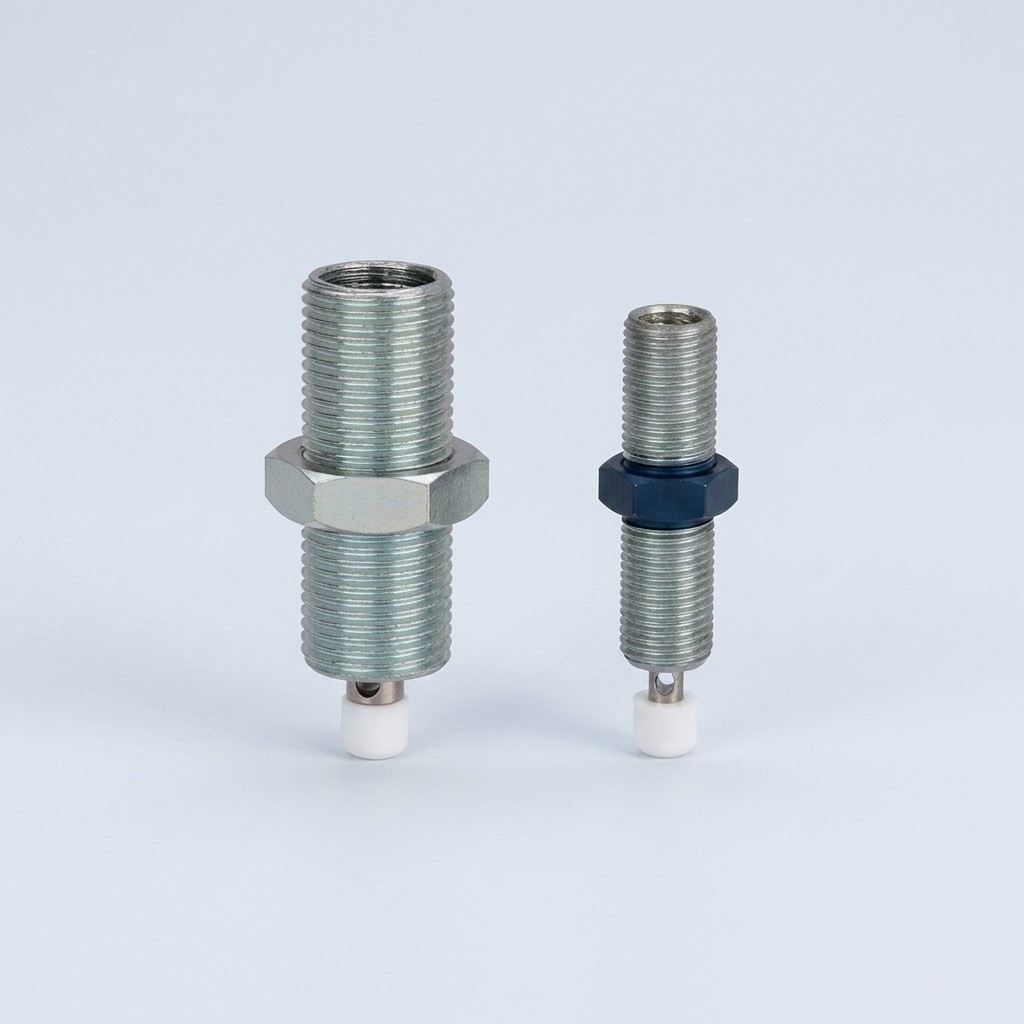
Release and flow control at the cup, where the dead volume to be repressurised is smallest.
5.5
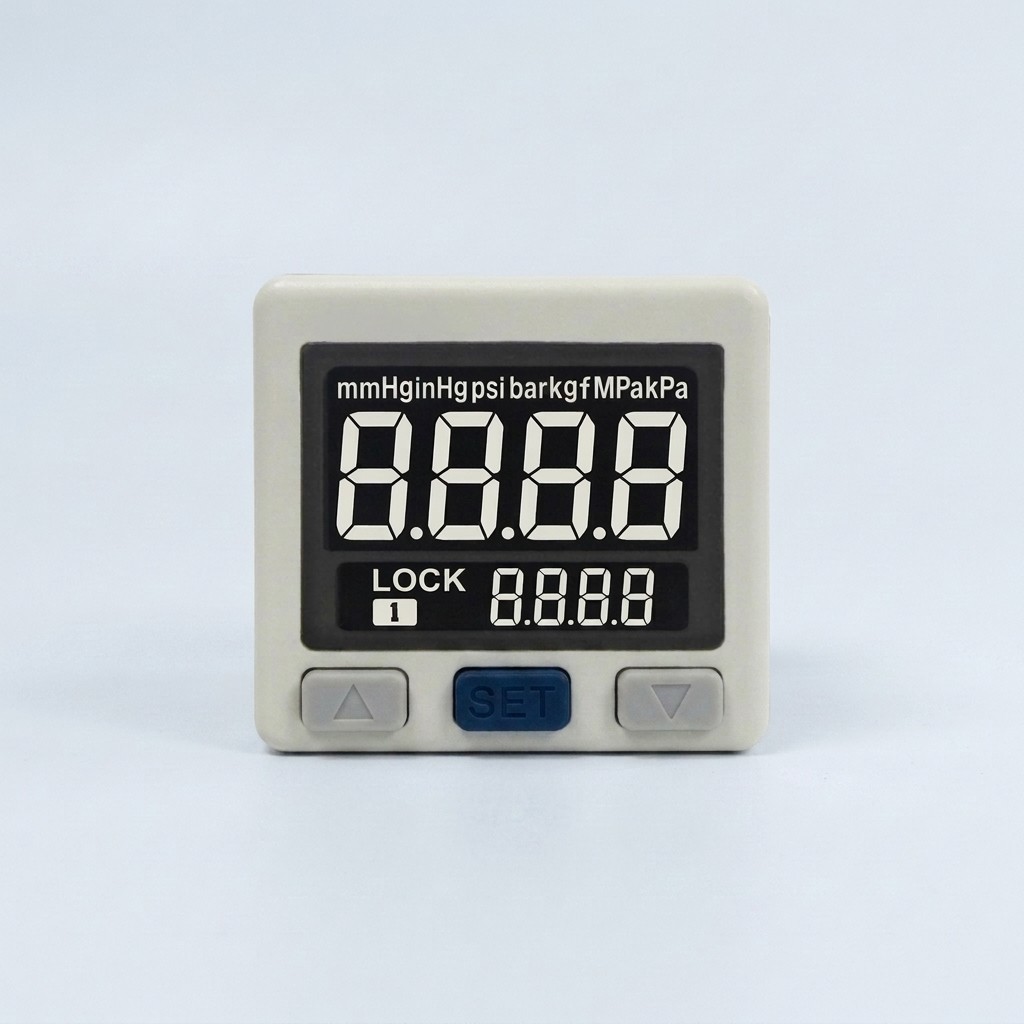
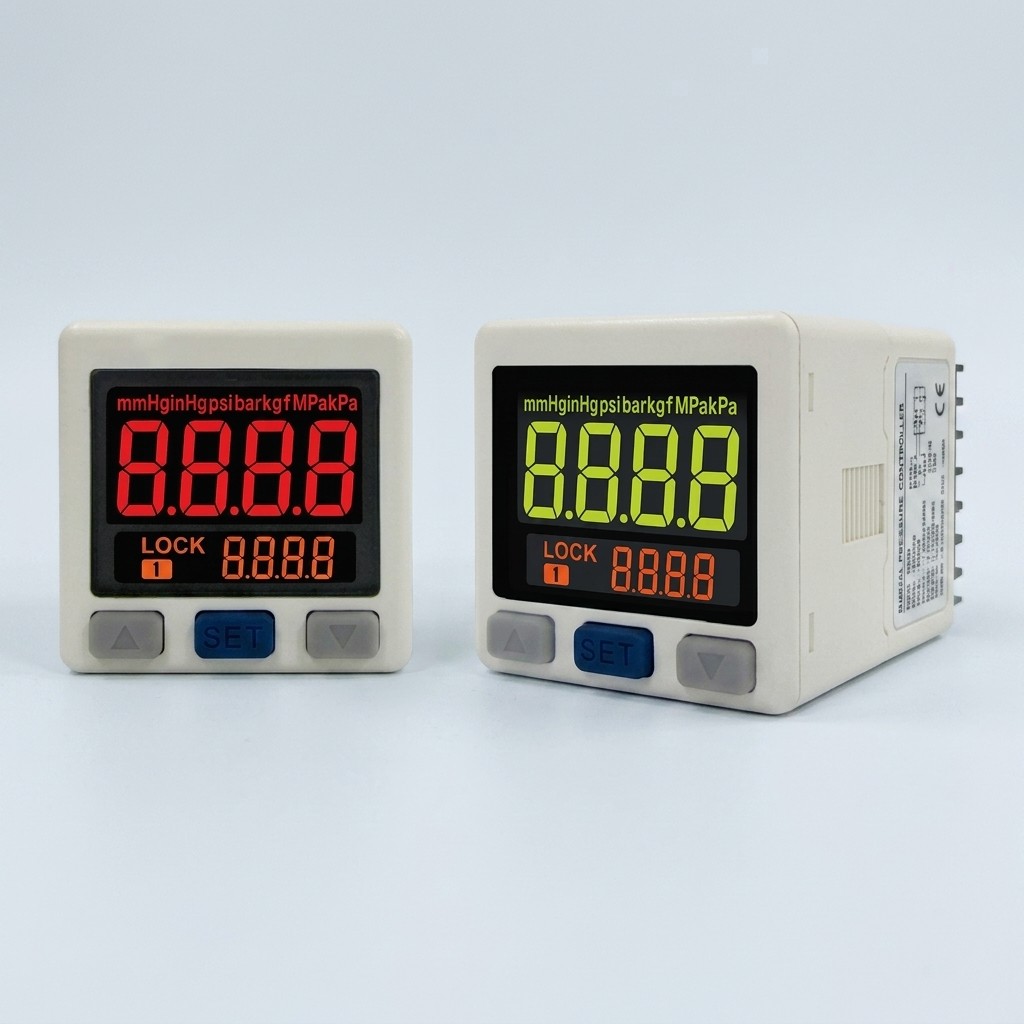
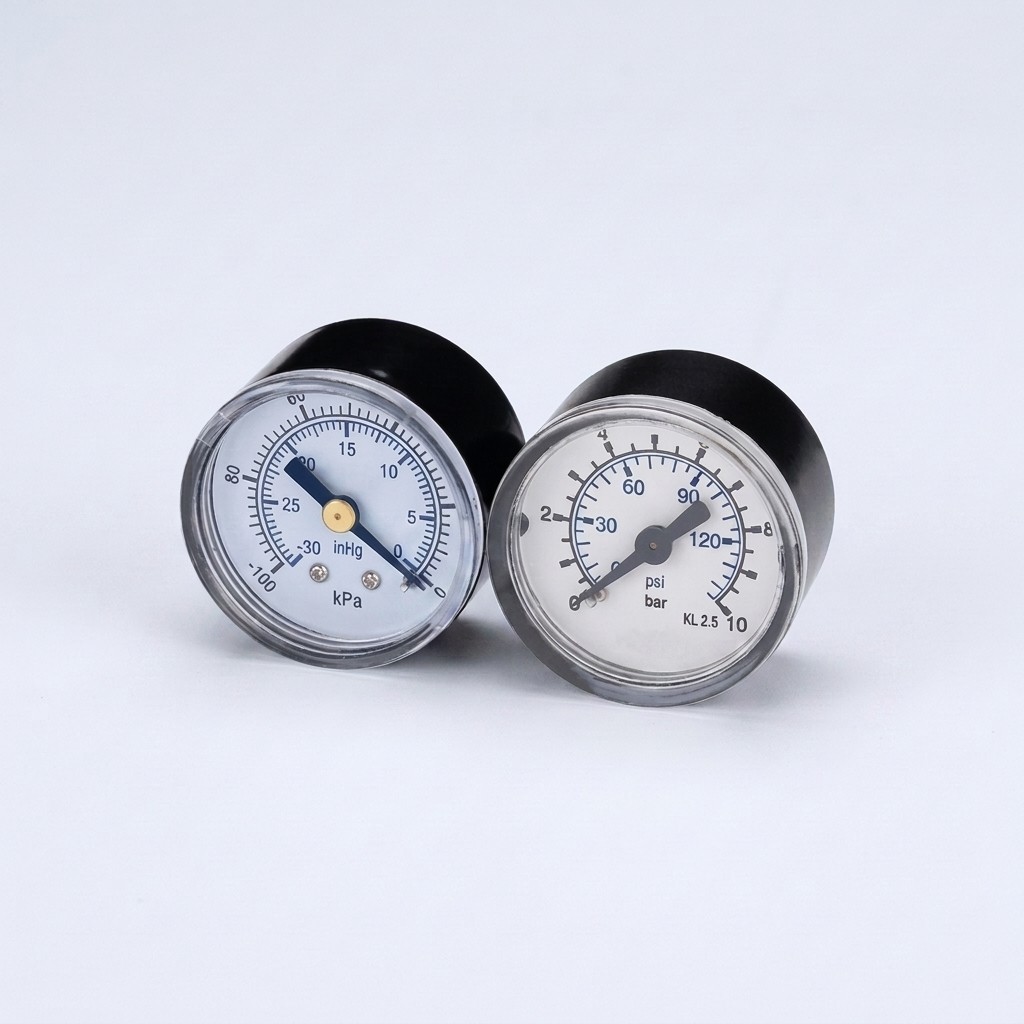
Digital pressure switches with setpoint output for part-present interlocks, and mechanical gauges for commissioning.
5.6
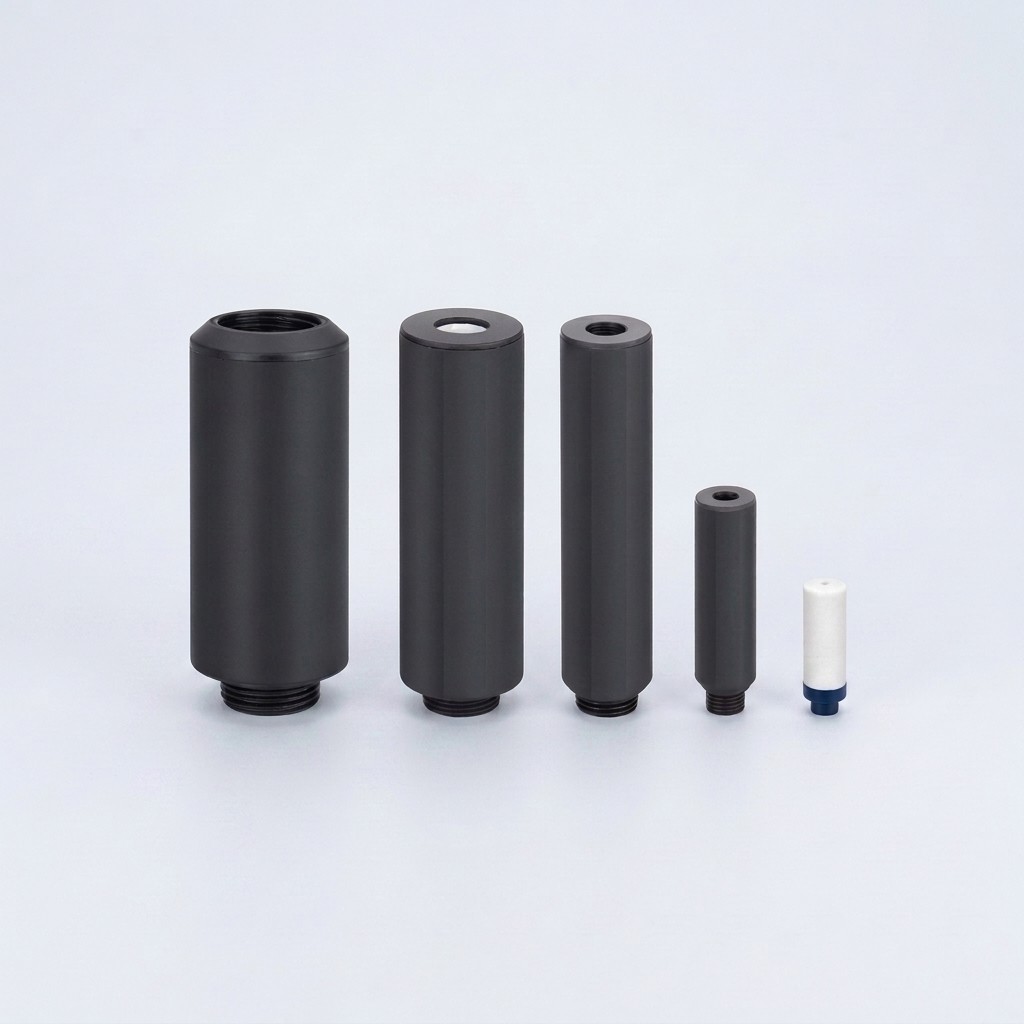
Exhaust noise attenuation. An unsilenced ejector at full flow is the loudest item on most gripping tools.
5.7
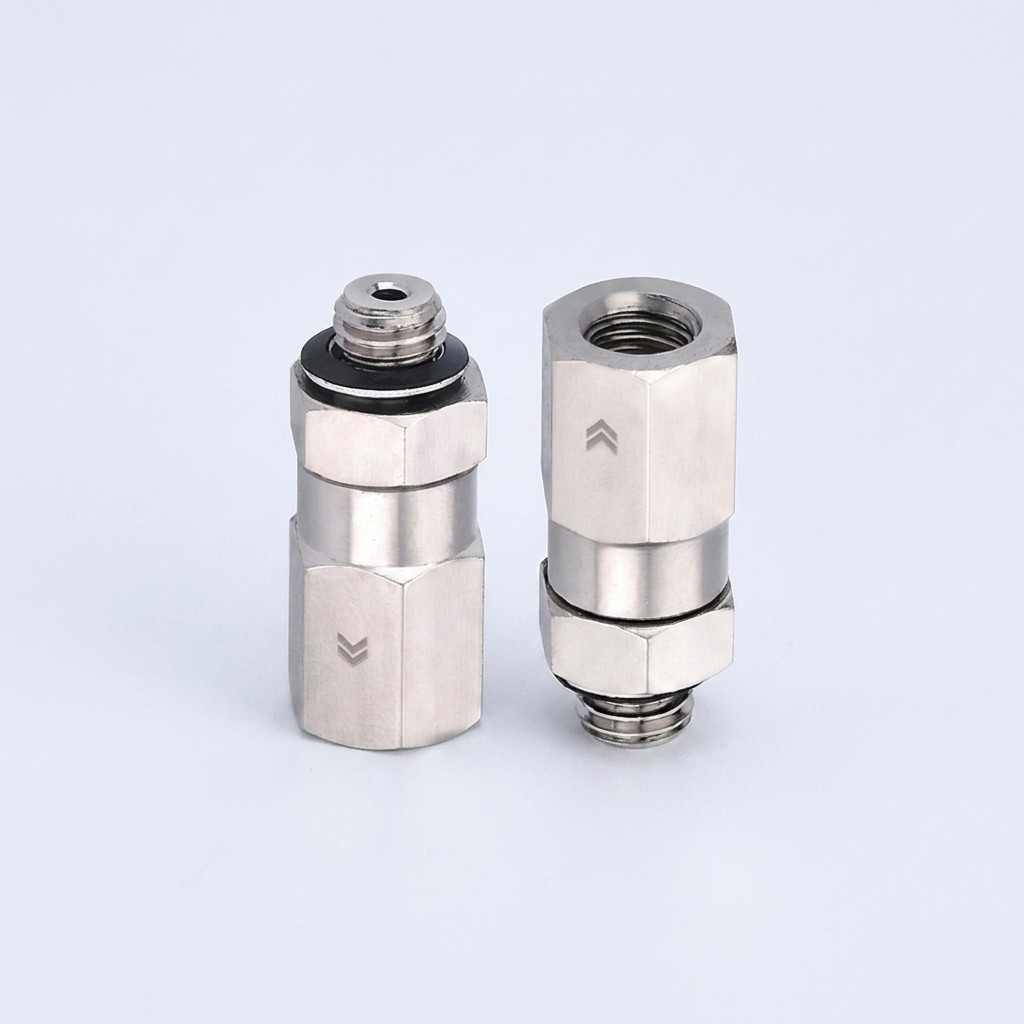
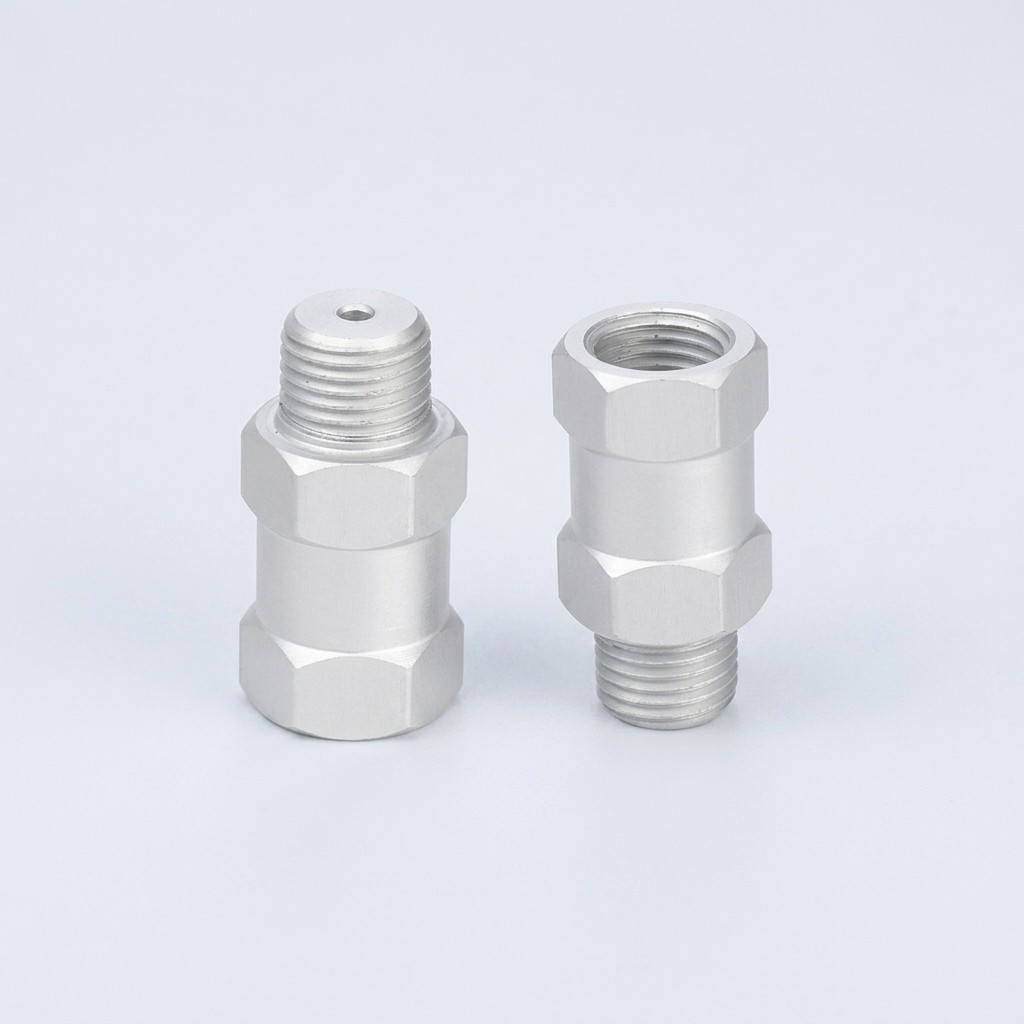
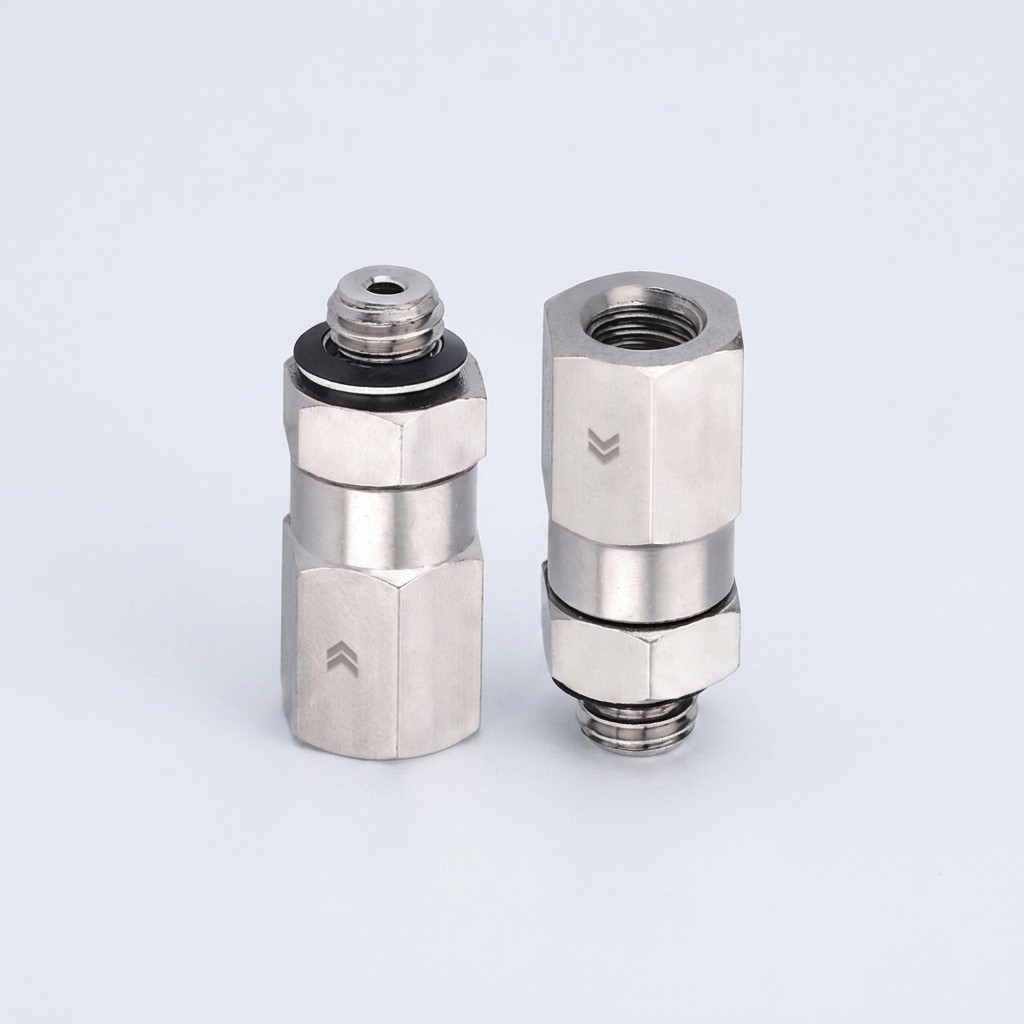
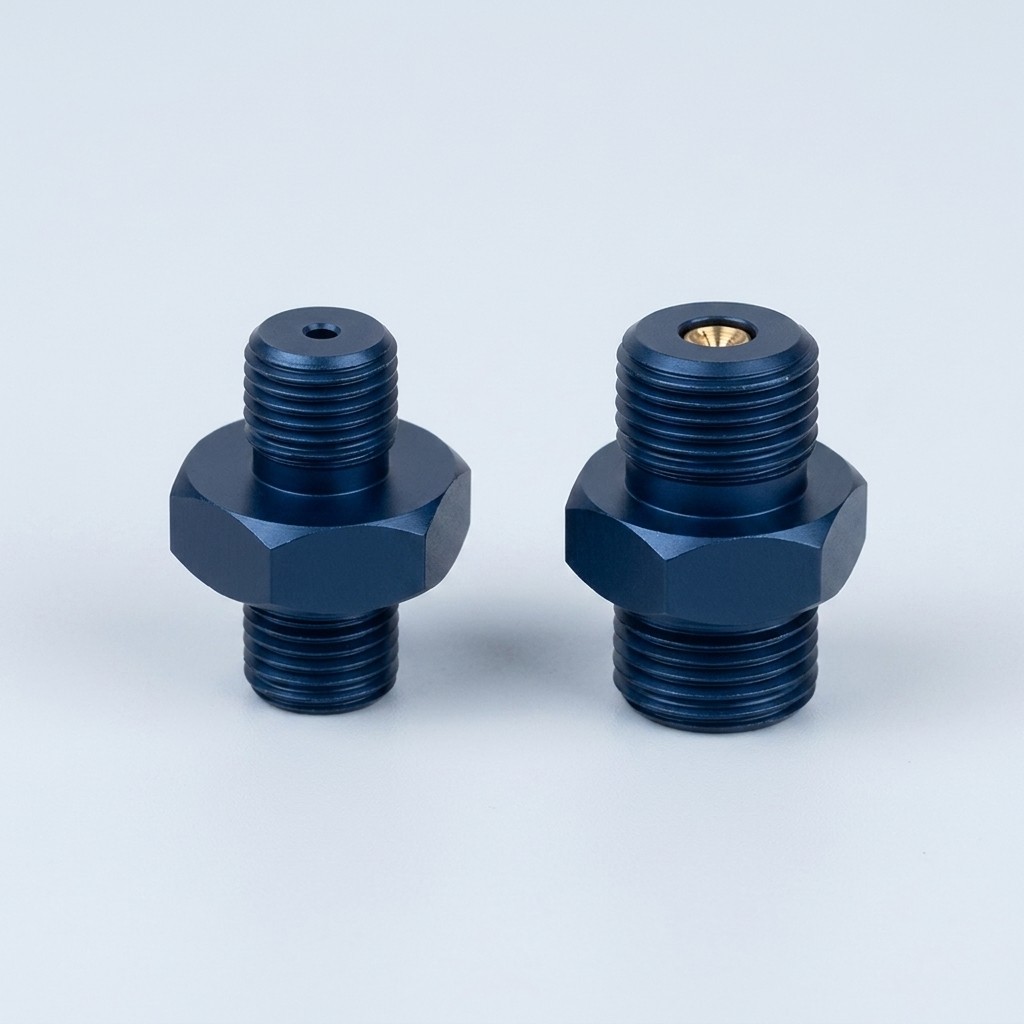
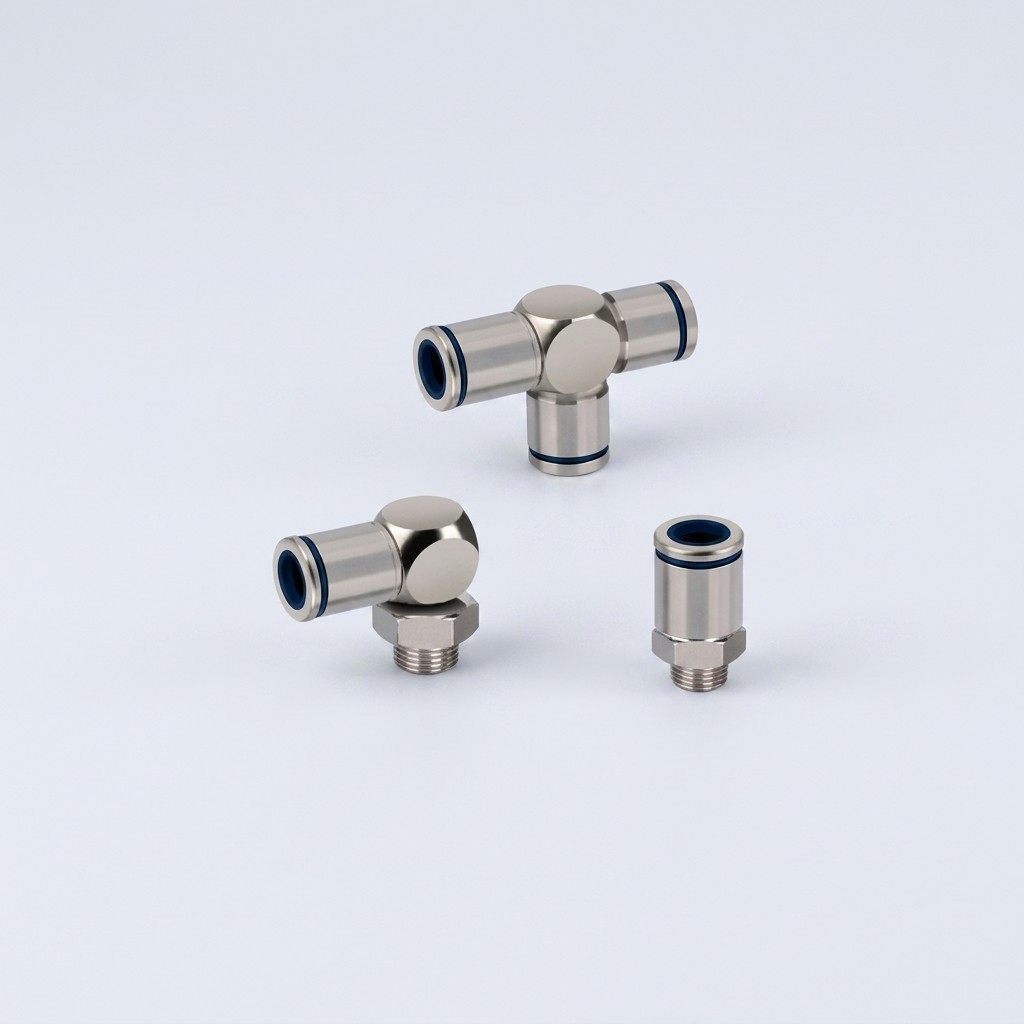
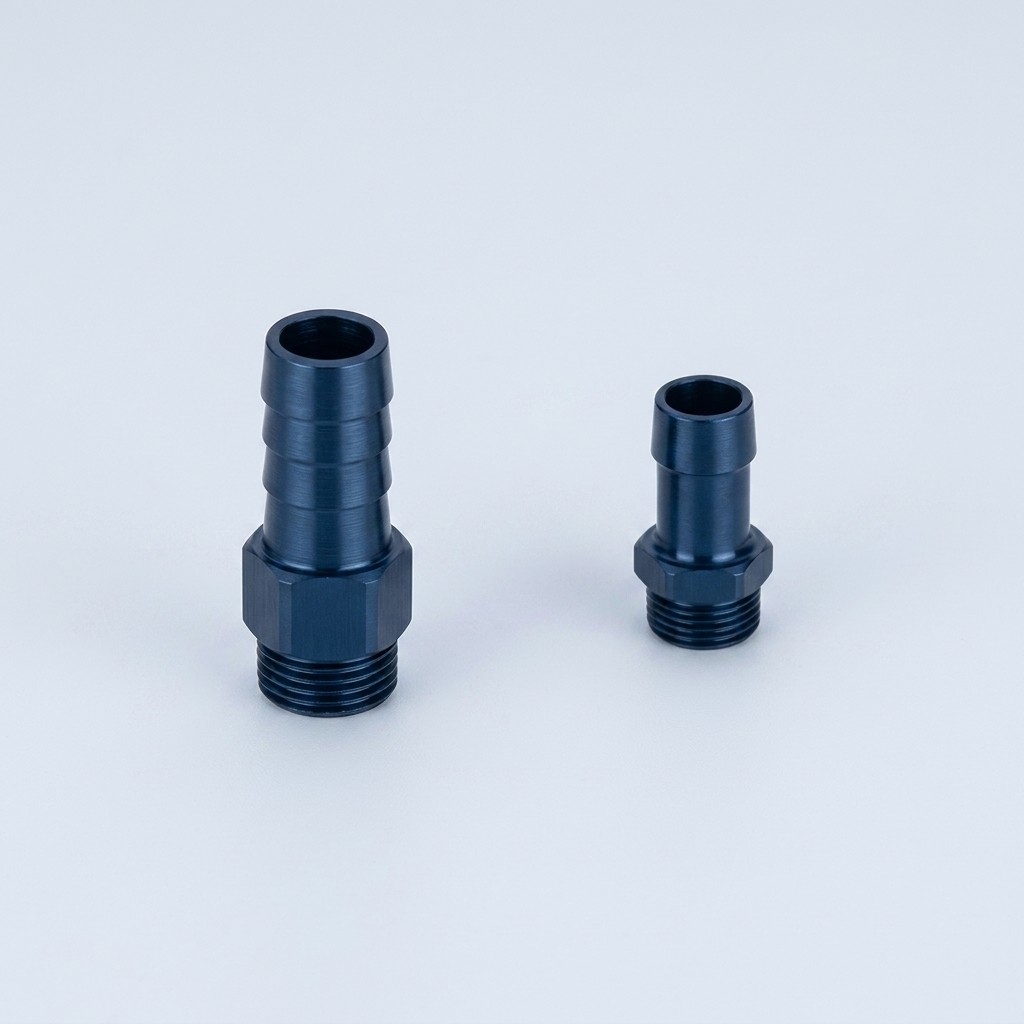
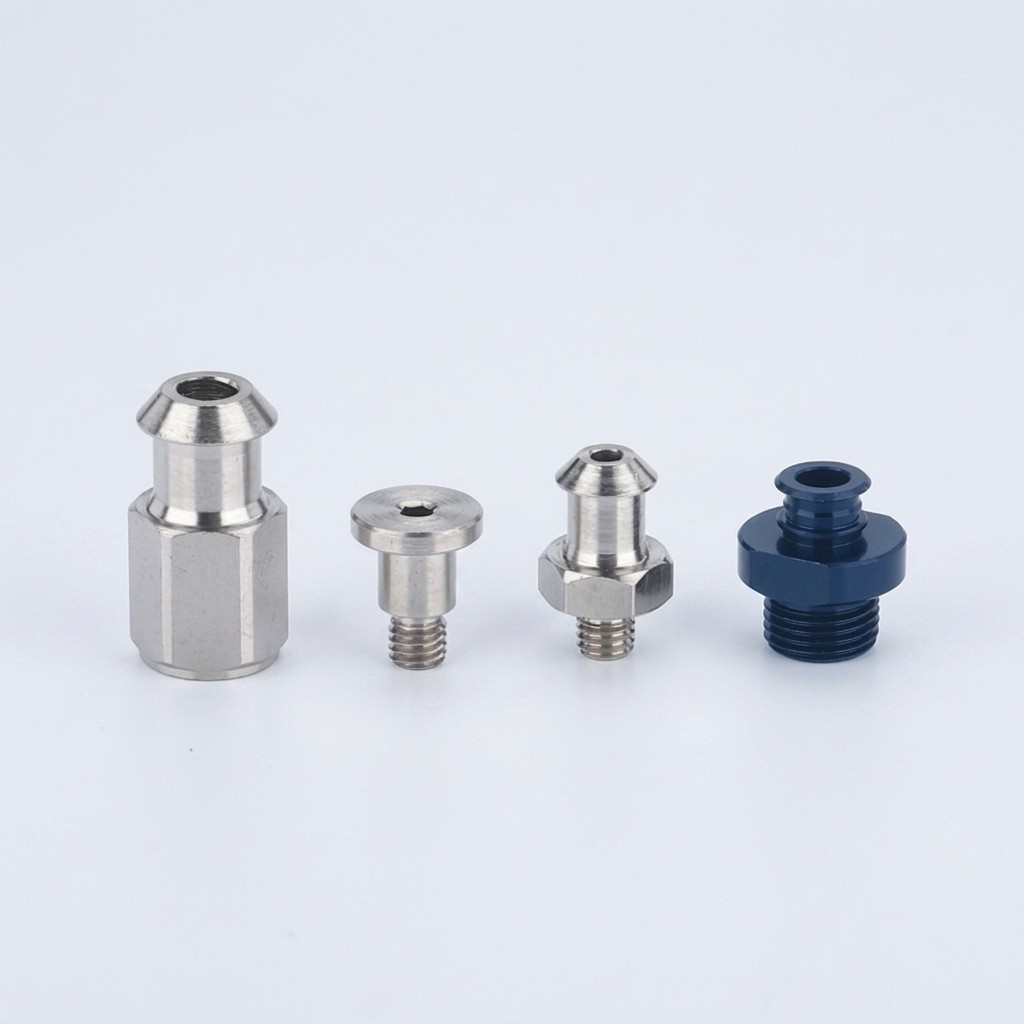
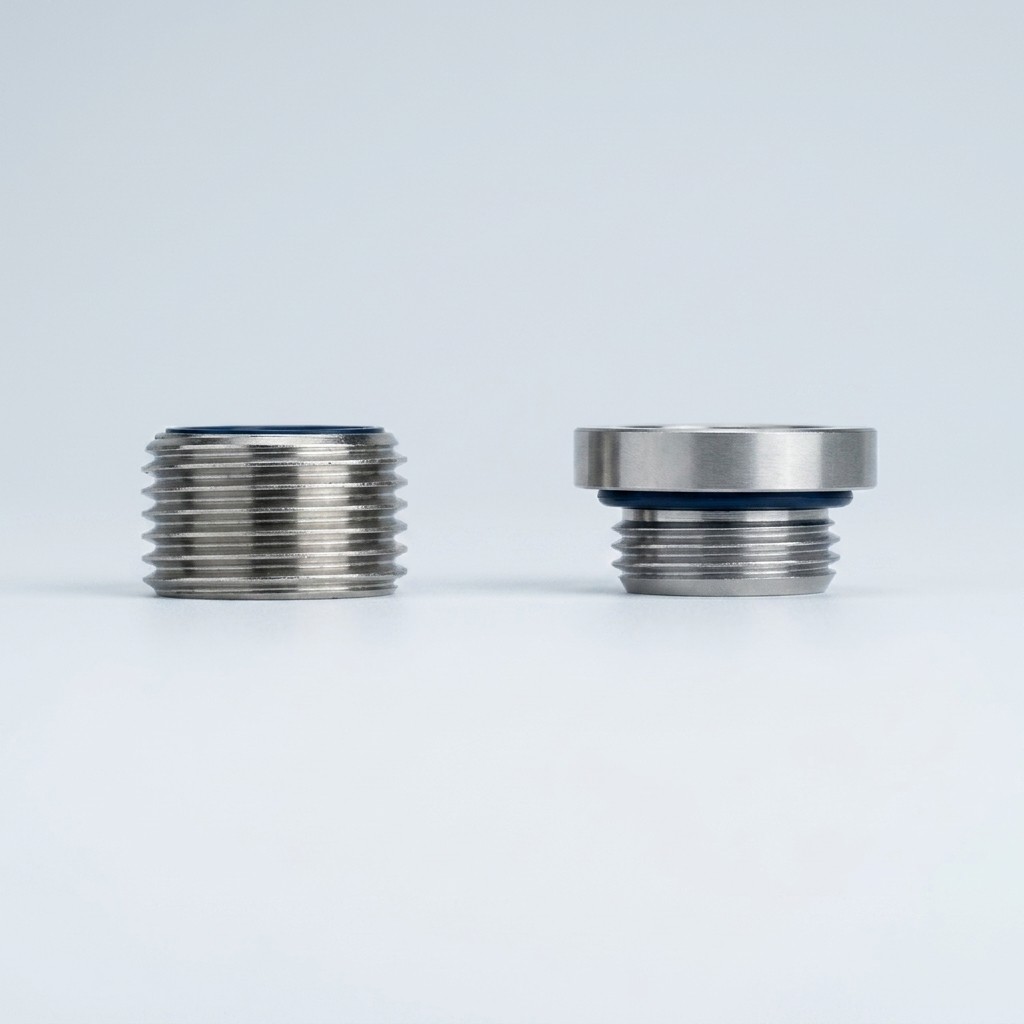
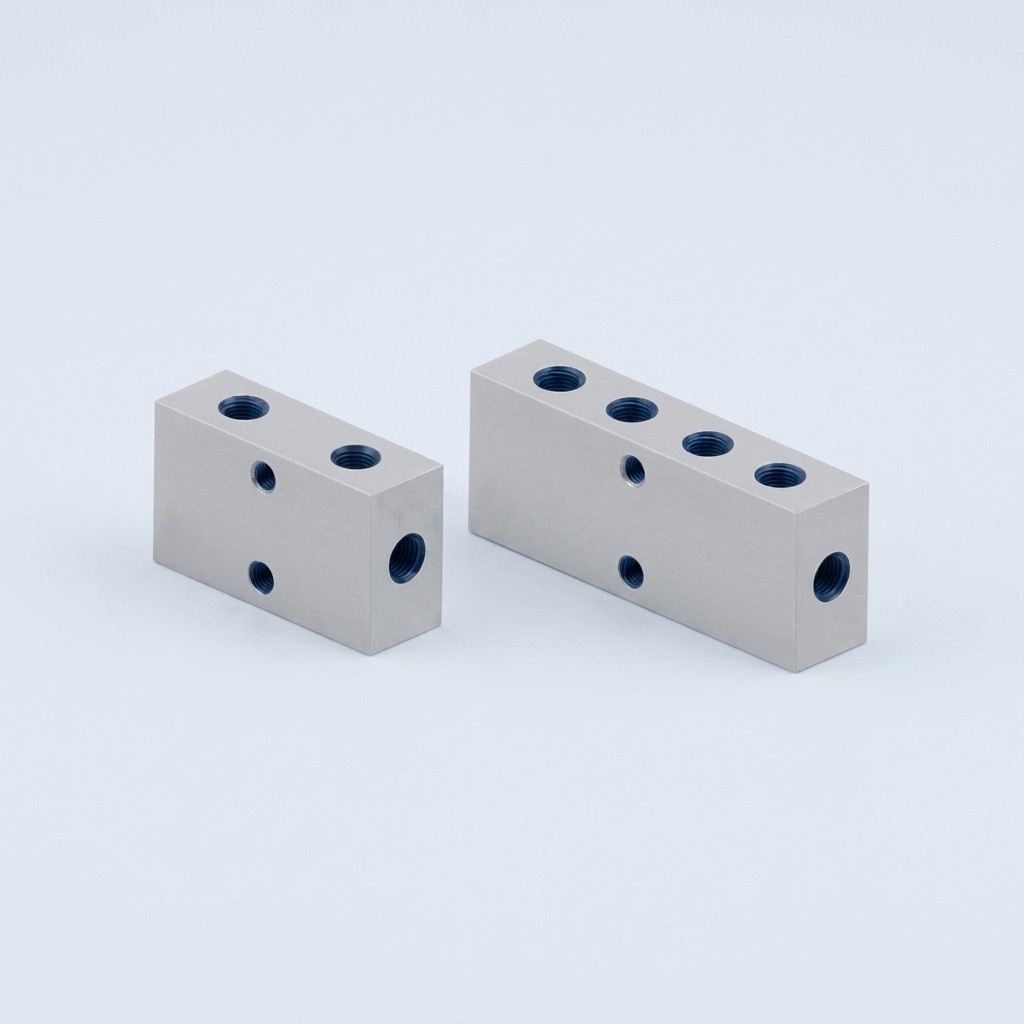
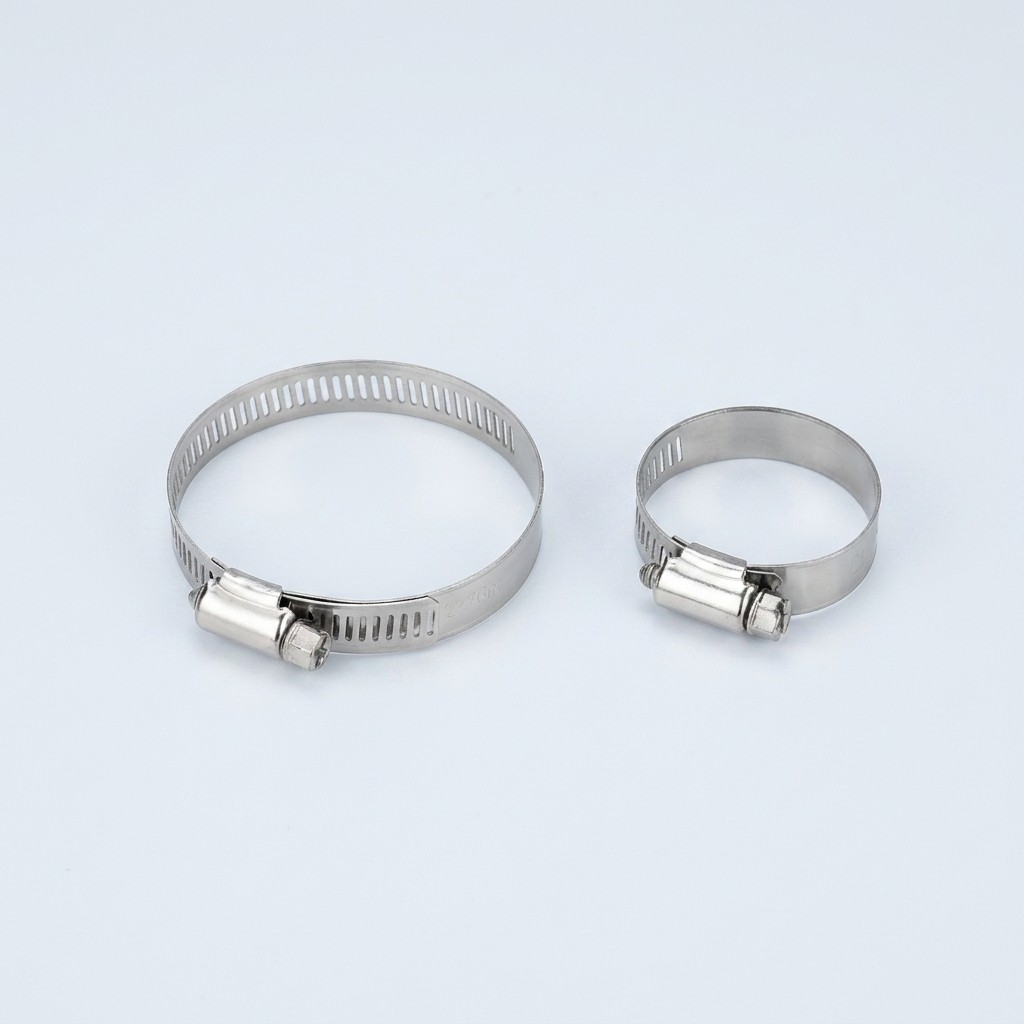
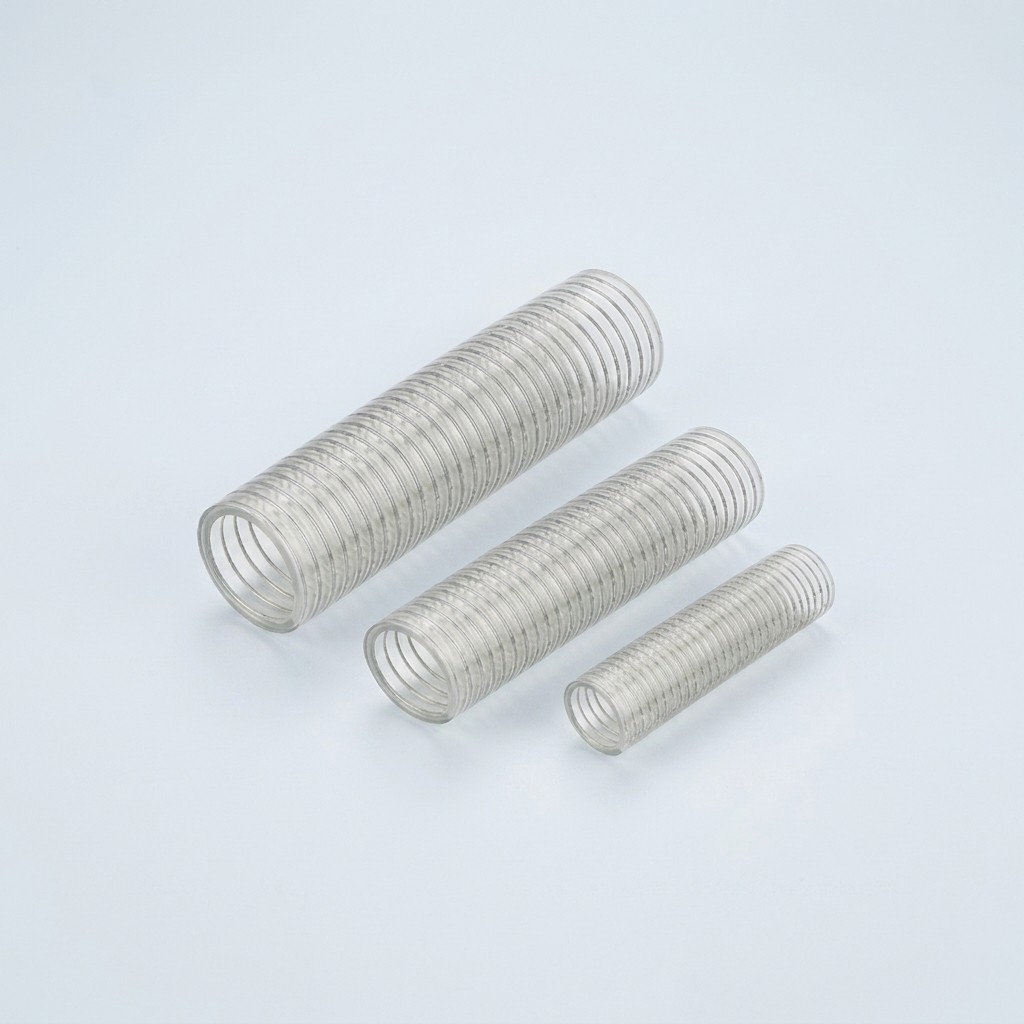
One-touch and barbed fittings, cup fittings, shunts, block plugs, reinforced hose and clamps.
Application review
Send the workpiece, load, cycle time, surface condition, and available utilities. AYBmart can help identify the families worth testing.